 FolkKeeper
Guide · new
SSA-634: ask Social Security to take less each month
Updated · 6 min read · By the FolkKeeper team

If you agree you were overpaid but the withholding leaves too little for rent, food or medicine, Form SSA-634, Request for Change in Overpayment Recovery Rate, asks SSA to take a smaller amount each month. You list the household's income, expenses and assets, and propose a monthly amount you can keep paying. It does not erase the debt; it spreads it out. If the overpayment was not your fault, a waiver (SSA-632) may fit better.
Who should use SSA-634
SSA-634 is for one situation: the overpayment is real, the amount is right, and the default monthly withholding is more than the household can live on. Since April 25, 2025, that default is 50% of a Social Security retirement, survivor or SSDI benefit for new overpayment notices. For SSI it is 10%, and SSI recipients can also ask for less.
Before you choose it, check the other two doors:
- If SSA got the amount, the months or the reason wrong, ask for reconsideration on Form SSA-561 first. A lower rate means you have agreed to pay.
- If the overpayment was not the person's fault and repaying would be a hardship, ask for a waiver on Form SSA-632. A waiver, if approved, means the money does not have to be repaid at all. See how to fill out SSA-632.
You can ask for a lower rate while a waiver is pending, or after one is denied. Many families file SSA-634 because it is the fastest way to get most of the check back while the bigger questions are sorted out.
What the form asks
SSA-634 is mostly a household budget. SSA wants to see that the current withholding leaves too little for ordinary living expenses, and what you can afford instead. Expect questions about:
- Who lives in the household and who depends on the person who was overpaid.
- Monthly income for everyone in the household: Social Security, pensions, wages, other benefits, support from family.
- Monthly expenses: rent or mortgage, property tax, utilities, phone, food, insurance, medical and pharmacy costs, car payment and gas, debts you are paying.
- Assets: bank balances, cash, investments, vehicles, property other than the home you live in.
- The amount you propose to have withheld or to pay each month.
Use the current version from SSA's form page so you are not filling in an old edition. The person who was overpaid signs it, or their representative payee or legal representative.
What to gather first
- The overpayment notice, with the date at the top and the monthly amount SSA plans to withhold.
- One or two months of bank statements for every account.
- Proof of income: benefit letters, pension statements, pay stubs.
- Your regular bills: lease or mortgage statement, utility bills, insurance, pharmacy receipts, car payment.
- Anything unusual that raises costs: a medical device, home care, a family member you support.
Real numbers from statements beat round guesses. SSA can ask for proof of any figure you write down, and numbers that match the bank records move faster.
Picking the number to propose
There is no fixed formula you can look up, so propose something you can actually keep paying every month for as long as it takes. A simple way to get there:
- Add up monthly household income.
- Subtract necessary monthly expenses, using the statements.
- What is left is the most you could pay. Propose an amount at or below it, with a little room for the bills that always come up.
If what is left is zero or below, say so. That is the situation the waiver test is built for, and you may want to file SSA-632 as well. SSA generally prefers a rate that repays the debt in a reasonable time, and it may come back with a different number. A clear one-page budget makes that conversation easier.
Example: a $9,880 overpayment, a $2,428 monthly benefit, and 50% withholding of $1,214 a month. After rent, utilities, food and prescriptions, the household has about $180 a month left. Proposing $150 a month is realistic and easy to explain.
How to send it
You can mail the form to the local Social Security office, take it in person, or ask about sending it electronically. If you mail it, use certified mail with a return receipt. If you go in person, ask for a dated receipt. Keep a copy of every page.
For smaller changes, SSA can sometimes agree a lower rate over the phone. Call 1-800-772-1213, say you are asking for a lower overpayment recovery rate, and ask the agent what proof they need. Write down the date, the time and the agent's name or ID, and follow up in writing.
Timing: SSA-634 does not pause collection by itself
Asking for reconsideration or a waiver within 30 days of receiving the notice keeps SSA from starting to collect until it decides. A rate request is different: withholding can continue at the default rate while SSA reviews it. So if the 30-day window is still open and a waiver or reconsideration might fit, file that too. Our guide on how to stop withholding before it starts counts the dates.
SSA treats a notice as received 5 days after the date printed on it. The free deadline calculator counts both dates from your own letter.
After SSA decides
If SSA agrees, the next checks arrive with the new, smaller amount held back, and the debt is repaid more slowly. If your situation changes, such as a rent increase or a new medical cost, you can ask again. If SSA says no or offers a rate you cannot meet, ask what proof would change the answer, and consider whether a waiver fits.
Keep a simple log: what you sent, when, how, and every call. It is the most useful thing to have if a paper goes missing.
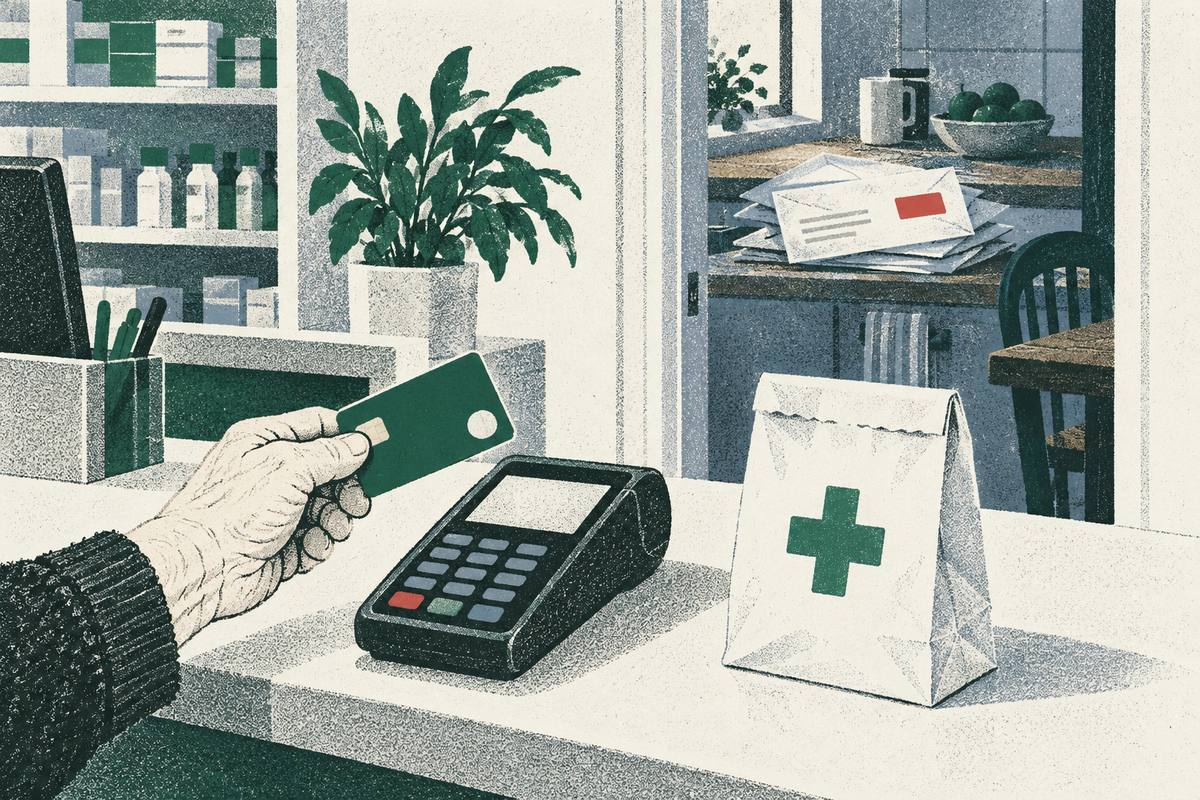 Family story“Half of Mom’s check was gone in December.”
Questions families ask
What is Form SSA-634?
Form SSA-634, Request for Change in Overpayment Recovery Rate, asks SSA to withhold or collect a smaller amount each month when you agree you were overpaid but cannot meet necessary living expenses at the current rate.
Does SSA-634 stop the withholding?
Not by itself. Withholding can continue while SSA reviews the request. Asking for reconsideration (SSA-561) or a waiver (SSA-632) within 30 days of receiving the notice is what keeps SSA from collecting until it decides.
Can I ask for a lower rate by phone?
Sometimes. Call 1-800-772-1213 and ask for a lower overpayment recovery rate. SSA may still ask for the form and proof of income and expenses. Write down the date and the agent's name, and follow up in writing.
Should I file SSA-634 or SSA-632?
If the overpayment was not your fault and repaying would be a hardship, a waiver (SSA-632) can cancel the debt. If you were at fault or the waiver does not fit, SSA-634 spreads the repayment out. You can file both.
Related guides
Sources
- SSA: Form SSA-634, Request for Change in Overpayment Recovery Rate
- SSA: Resolve an overpayment
- SSA Emergency Message EM-25029: Title II default withholding rate changed to 50%
- SSA: Form SSA-632-BK, Request for Waiver of Overpayment Recovery
- SSA: Understanding Supplemental Security Income Overpayments
- 20 CFR 404.901: date you receive a notice (5 days after the date on it)
Not legal advice. This guide is general information from SSA's published rules, not legal advice for your situation. FolkKeeper is not a law firm and is not affiliated with the Social Security Administration. Always check dates against your own letter; if your letter shows an earlier date, use the earlier one. For a hearing or a complicated case, contact a legal aid office, an attorney or an SSA-accredited representative.