 FolkKeeper
“Dad went back to work at 63.”
5 min read · Composite story · Names and details changed
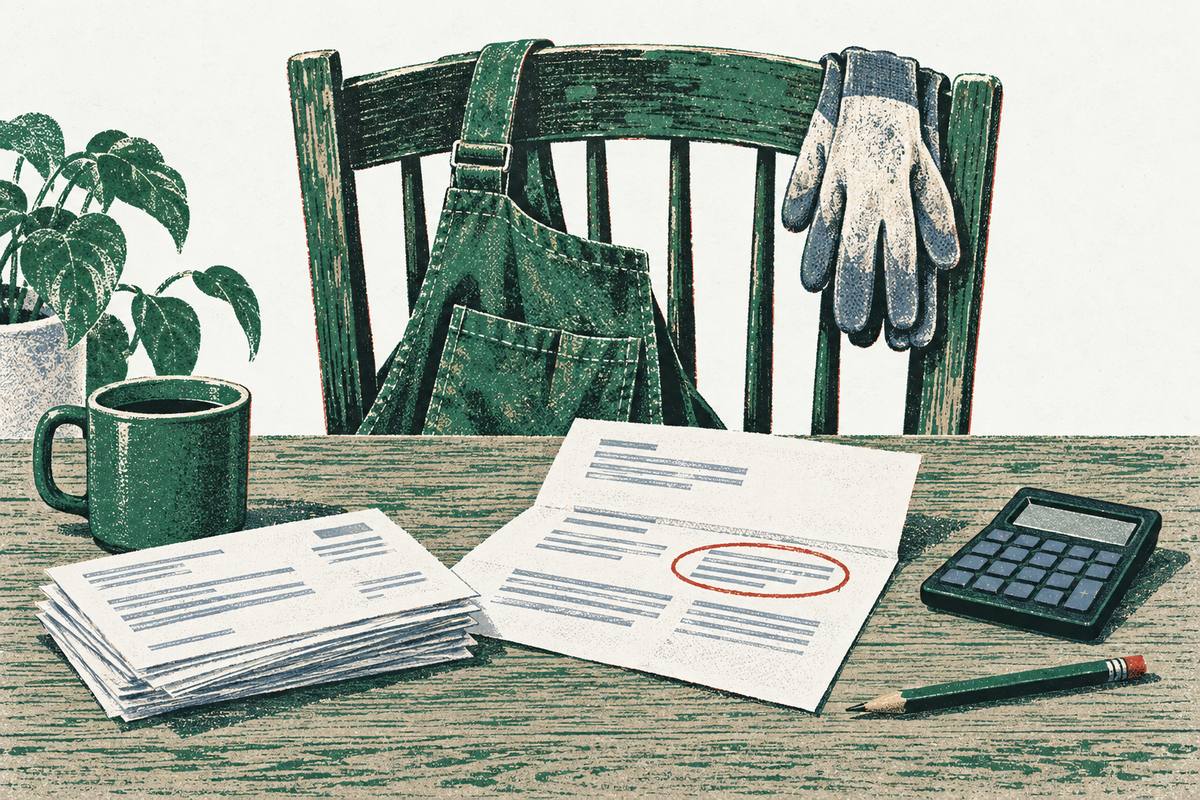
Ray retired from the distribution center in June 2025, at 63, after twenty-two years on the loading dock. His knees had decided for him. He claimed Social Security that July, at $1,456 a month, and by August he was bored. A neighbor managed the hardware store on Route 9, and Ray started working there three mornings a week, in a green apron, for about $1,500 a month.
In the summer of 2026, a letter came. SSA said Ray had earned too much in 2025, that he had been overpaid $8,736, and that it would start holding back his checks.
“He wanted to just pay it. He said the government knows the rules better than he does.”
His son Marcus is an accountant, and the number bothered him. $8,736 was exactly six months of his father’s benefit, every check from July to December 2025. That would mean SSA thought none of those months should have been paid.
Here is the rule that the letter was applying. If you take Social Security before full retirement age and keep working, SSA compares your earnings for the year with a yearly limit. In 2025 the limit was $23,400. For every $2 you earn above it, SSA holds back $1 of benefits. Ray’s W-2s for 2025 added up to about $47,500: $40,000 from the distribution center in the first half of the year, and $7,500 from the hardware store. Run that through the yearly limit, and the result is $12,050 to hold back, more than all six checks he had received.
But Marcus remembered there was a second rule for the first year. In the year someone retires, SSA can pay a full benefit for any month in which they earn less than a monthly limit and do not do substantial work in a business of their own, no matter how much they earned for the whole year. In 2025, that monthly limit was $1,950. Wages count when they are earned, not when they are paid.
Ray had never earned more than $1,950 in any month from July through December. Every one of those months should have been a full benefit month. The money he made at the distribution center was earned before he started benefits at all.
Marcus pulled the hardware store’s pay stubs, month by month, and the last stub from the distribution center showing his father’s final day in June. He built a small table: month, wages, benefit paid. Then he read the date on the letter: July 21, 2026. Adding the 5 mail days, they had until August 25 to ask for reconsideration and keep SSA from collecting while it decided, and until late September to file at all.
The form is SSA-561, Request for Reconsideration, and it is short. In the space for the reason, Marcus wrote three sentences: that 2025 was his father’s first year of retirement, that he had earned under the monthly limit in every month from July through December, and that the overpayment should be zero under the first-year rule. He attached the table and the pay stubs. His father signed it, and Marcus sent it by certified mail on August 4th with a return receipt.
A reconsideration is reviewed by someone at SSA who did not make the first decision. It does not require a lawyer, and it does not require being right about everything, just showing what you think is wrong and why.
What he did
- 1Questioned the number. Six months of benefits, exactly. That meant SSA thought every month was over the limit, which did not match how his father worked.
- 2Found the first-year rule. In the first year of retirement, a month with wages under the monthly limit ($1,950 in 2025) can be paid in full regardless of the yearly total.
- 3Filed SSA-561 inside 30 days. A short reason, a month-by-month table and the pay stubs, sent by certified mail. Collection stayed paused while SSA reviewed it.
What happened
Three months later, SSA’s reconsideration notice said the earnings had been re-counted under the monthly rule and the overpayment was $0. Ray kept his checks. He still works three mornings a week, and he now reports his expected earnings to SSA every year, as people who work while getting benefits before full retirement age should.
Not every earnings-limit notice is wrong. Many are right. But when the overpayment equals exactly the months you were paid, it is worth checking which months SSA counted.
Stories are composites of cases families commonly face. Names and details are changed. Dates and rules follow SSA's published guidance; check them against your own letter. Not legal advice; FolkKeeper is not a law firm and is not affiliated with SSA.